Training & Certificate Program
Upcoming Trainings
Maudsley Model of Anorexia nervosa Treatment for Adults (MANTRA)
Monday, November 30 & Tuesday, December 01, 2026
14:00 - 18:00 UK (GMT-0) // 9:00 AM - 1:00 PM US Eastern (GMT-5)
This interactive workshop introduces the Maudsley Model of Anorexia Nervosa Treatment for Adults (MANTRA), an evidence-based therapy that addresses the cognitive, emotional, and interpersonal factors maintaining anorexia nervosa. Through practical examples and case discussions, participants will learn to apply the MANTRA model and workbook across varying illness stages and complexities, navigate treatment challenges, and support lasting recovery.
Family-Based Treatment for Transition-Age Youth (FBT-TAY)
Tuesday, January 26 & Wednesday, January 27, 2027
16:00 - 20:00 UK (GMT-0) // 11:00 AM - 3:00 PM US Eastern (GMT-5)
This interactive workshop introduces Family-Based Treatment for Transition-Age Youth (FBT-TAY), an evidence-based approach that empowers parents and caregivers while supporting young people in developing independence, autonomy, and lasting recovery from eating disorders. Through clinical examples, research findings, and practical applications, participants will explore the three phases of FBT-TAY, strategies for balancing family support with increasing independence, and adaptations for diverse young people, families, and treatment settings.
Feeling and Body Investigators - ARFID Division
(FBI-ARFID)
Wednesday, March 31 & Thursday, April 01, 2026
15:00 - 19:00 UK (GMT-0) // 10:00 AM - 2:00 PM US Eastern (GMT-5)
Feeling and Body Investigators – ARFID Division (FBI-ARFID) is a trauma-informed, interoceptively focused behavioral treatment for children ages 5–11 with Avoidant/Restrictive Food Intake Disorder (ARFID). This 8-hour training equips therapists, mental health providers, and interested primary care providers with strategies to help children build trust in their bodies, reduce food-related fears, and develop curiosity and enjoyment around eating through parent engagement, positive mealtime experiences, and playful food exploration. The training also includes 12 hours of monthly supervision to support clinical implementation.

Learn More About AED's Training Certification initiative from program leaders!
Hear directly from previous course participants from around the world as they share how the learning collaborative impacted their work and perspective!
Maudsley Model of Anorexia nervosa Treatment for Adults (MANTRA)
Description
The Maudsley Model of Anorexia Nervosa Treatment for Adults (MANTRA), centered around a patient workbook, is an anorexia-specific therapy developed for people with a broad range of severities, complexities and comorbidities. The aim of MANTRA is to help people recover physically and emotionally and – in the words of one of our patients – to ‘get a bigger life’, i.e. to develop a flourishing non-anorexic self. MANTRA is based on a cognitive-interpersonal model. Treatment targets are key maintaining factors, including [a] a thinking style characterized by inflexibility, detail focus and fear of making mistakes, [b] an in-expressive, avoidant emotional and relational style, [c] positive beliefs about the utility of anorexia for the person, and [d] a response of close others characterized by high expressed emotion and enabling of and accommodation to the illness. It has a solid evidence-base and in 2017, the National Institute for Health and Care Excellence (NICE) recommended MANTRA as a first line treatment for adults with anorexia nervosa.
This interactive and experiential training workshop will introduce the MANTRA model and workbook, and how to implement its components with patients across different illness and developmental stages, from young first episode cases to those with more complex or long-lasting presentations. We will also address issues, such as how to choose and maintain a therapeutic focus, how to marry a motivational and accepting stance with behavior change, how to use the MANTRA formulation to optimally work with the patient and their family, and how to deal with non-compliance, ‘stuckness’, and lack of progress. Ample case stories and examples from our own practice will be used to illustrate these issues.
The didactic portion of this training does not offer any certifications.
Date/Time
Monday, November 30 & Tuesday, December 01, 2026
14:00 - 18:00 UK (GMT-0) // 9:00 AM - 1:00 PM US Eastern (GMT-5)
This didactic training is geared towards live participation and will not be recorded.
AED Training and Certificate Course - (Nov 2026) is LIVE!
Maudsley Model of Anorexia Nervosa Treatment for Adults (MANTRA)
About Our Course Presenters

Ulrike Schmidt OBE MD PhD FAED
UIrike is the Professor of Eating Disorders at King’s College London and a Consultant Psychiatrist at the South London and Maudsley NHS Foundation Trust. A key focus of her research is the development of brief scalable interventions. She has led the development of MANTRA, a NICE-recommended psychotherapy and of FREED, a multi-award winning early intervention programme. She has also pioneered the use of novel brain-directed treatments in eating disorders. She leads the large UKRI-funded EDIFY consortium on early intervention for eating disorders. She has written some 550 peer-reviewed papers and many other publications. Ulrike has led/contributed to multiple national and international initiatives, trying to improve eating disorders policy and practice.

Karina Allen PhD MPsych
Dr Karina Allen is a Consultant Clinical Psychologist in the Eating Disorders Service of the South London and Maudsley NHS Foundation Trust, and an Adjunct Reader in the Centre for Research in Eating and Weight Disorders (CREW) at the Institute of Psychiatry, Psychology and Neuroscience, King’s College London. She has worked as a clinician and researcher in eating disorders for approximately 20 years and co-directs the England-wide MANTRA training programme.
Add-on Option: Participate in the Mantra Learning collaborative (Registration Limited)
Following the didactic course, our course presenters will host a 12-sesion Learning Collaborative (meeting every other week for 6 months). Learning Collaborative participants will have the opportunity to receive consultation on ongoing clinical cases and to ask questions of the presenters and other attendees. To deepen their learning, Learning Collaborative participants will submit brief consultation reports to the Learning Collaborative team, including an update on therapy adherence, patient progress, and future treatment plan. The Learning Collaborative is a special opportunity for licensed professionals from any country who have a clear plan for putting the MANTRA model into immediate practice. Certificates of completion will be issued at the conclusion of the Learning Collaborative for those who attend >80% of the sessions and participate actively with case presentations.
Audience
Licensed professionals from any country who have a clear plan for putting the MANTRA model into immediate practice.
Prerequisites
To ensure all learners start on the same page, attending the didactic workshop is a pre-requisite for participation. AED learning collaboratives are considered educational consultation and explicitly not supervision. Our consultants provide educational opinions on cases. Clinician’s institutions do the billing and use their own (or their institution’s) malpractice insurance. Thus, all participants in the learning collaborative must be licensed clinicians with active malpractice insurance. Unlicensed trainee therapists will be considered on a case-by-case basis if the trainee is working under the license and malpractice insurance of an outside supervisor who accepts liability for the trainee’s cases.
Date/Time
12 sessions meeting every other Monday from 7-8 AM US Eastern (12-1 PM UK) for 6 months, beginning December 7, 2026. The full list of dates is below:
December 7, 2026
December 21
January 4, 2027
January 18
February 1
February 15
March 1
March 15
March 29
April 12
April 26
May 10
Application Process
Apply HereTo preserve the individual attention provided in the Learning Collaborative, attendance will be limited to 12 participants. Applications will be reviewed and those eligible to participate in the course will be sent information to register on a first-come, first-served basis. Depending on the number of applications received, AED may offer more than one MANTRA Learning Collaborative to accommodate all interested candidates who meet the criteria of being licensed professionals with the intention to put the therapy into immediate practice.
Didactic-only Pricing
| Zone 1 | Zone 2 | Zone 3 | |
|---|---|---|---|
| Member | $399 | $219 | $75 |
| Non-Member | $499 | $279 | $90 |
| Student/Post-Bac Member | $199 | $99 | $40 |
| Student/Post-Bac Non-Member | $299 | $149 | $60 |
Full Course (including Learning Collaborative) Pricing
| Zone 1 | Zone 2 | Zone 3 | |
|---|---|---|---|
| Member | $399 | $219 | $75 |
| Non-Member | $499 | $279 | $90 |
| Student/Post-Bac Member | $199 | $99 | $40 |
| Student/Post-Bac Non-Member | $299 | $149 | $60 |
Family-Based Treatment for Transition-Age Youth (FBT-TAY)
Description
FBT-TAY is a treatment grounded in the original FBT-AN and FBT-BN manuals (Lock and Le Grange, 2013; Le Grange and Lock, 2007). Building on FBT for adolescents, this adapted version simultaneously empowers parents AND prioritizes the young person's voice, identity development, educational and vocational interests, relationships and current and future goals in non-eating disorder areas. The three stages of FBT-TAY mirror FBT with some modifications: in the initial phase the family prepares meals, supports with refeeding and the achievement of weight targets. However, this phase is delivered collaboratively with the young person who works alongside their family by learning how to accept and leverage parental support with eating and physical and psychological recovery. In the second phase, the young person reclaims responsibility with eating and learning to manage symptoms with greater independence, and then ultimately establishes full autonomy in the final phase. In FBT-TAY, collaboration between the parents/caregivers and autonomy and independence in the young person are explored throughout this model with the aim of building capacity and skills for recovery in the young person. Parents/caregiver empowerment paramount is discussed alongside efforts to shore up young people to practice new skills that will help them reclaim their independence over eating and weight gain. In addition, the FBT-TAY approach progressively focuses on the establishment of the young person developing a positive relationship with food, weight, and eating in a wide variety of settings such as at home, post-secondary education, and the workplace.
This workshop and collaborative series will describe empirical evidence on FBT-TAY including case series and randomized clinical trials. We will further provide definitions and illustrations of key concepts and interventions for phase 1 (session, the family meal), phase 2 (learning to eat with greater independence in a variety of contexts) and, phase 3 (exploring key tasks associated with emerging adulthood). We will discuss how to use FBT-TAY in pediatric and adult eating disorder programs, non-specialized services, private practice settings and in post-secondary education. Finally, we will apply FBT-TAY to diverse young people and families including those living and not living at home to those residing with their peers and on college campus. We will use clinical vignettes to illustrate the approach in each phase.
The didactic portion of this training does not offer any certifications.
Date/Time
Tuesday, January 26 & Wednesday, January 27, 2027
16:00 - 20:00 UK (GMT-0) // 11:00 AM - 3:00 PM US Eastern (GMT-5)
This didactic training is geared towards live participation and will not be recorded.
AED Training and Certificate Course - (Jan 2027)
Family-Based Treatment for Transition-Age Youth (FBT-TAY)
About Our Course Presenters

Dr. Gina Dimitropoulos PhD MSW RSW FAED
Dr. Gina Dimitropoulos, PhD, MSW, RSW, FAED is a Professor in the Faculty of Social Work at the University of Calgary and is cross-appointed with the Departments of Psychiatry and Pediatrics. She holds the inaugural UCalgary Research Excellence Chair in System-Level Interventions for Equitable & Accessible Youth Mental Health Services and is a member of the College of New Scholars, Artists, and Scientists at the Royal Society of Canada. She is an award-winning clinician, researcher, and educator who is internationally renowned for her innovative research in Integrated Youth Services (IYS), transitions in care, eating disorders, peer support, and youth mental health system transformation.

Kristen Anderson MA LCSW CEDS-S
Kristen Anderson, MA, LCSW, CEDS-S is a licensed clinical social worker with twenty years experience in the field of eating disorders. She earned her Bachelor of Arts degree in psychology from the Honors College at University of Michigan-Ann Arbor and moved to Chicago to begin working with Daniel Le Grange, PhD, FAED on treatment studies for adolescents with Anorexia Nervosa and Bulimia Nervosa. Kristen obtained her Master’s degree in Social Service Administration from the University of Chicago. Kristen has provided FBT in a multitude of clinical treatment trials. She is the former Clinical Director at the University of Chicago Eating Disorders Program. Her past has focused on the use of telemedicine to deliver Family-Based Treatment and the use of Multi Family Therapy for the treatment of Anorexia Nervosa. Kristen’s primary clinical interests include family based treatment for adolescents and young adults as well as the treatment of Avoidant Restrictive Food Intake Disorder (ARFID). She is a faculty member and Managing Director of the Training Institute for Child and Adolescent Eating Disorders where she provides consultation and presents nationally and internationally on the topic of eating disorder treatment. She is a certified Family Based Treatment provider and certified Family Based Treatment Supervisor. She presents nationally and internationally on topics including the treatment of eating disorders and establishing and maintaining cohesion in multi-disciplinary teams.
Add-on Option: Participate in the FBT-TAY Learning collaborative (Registration Limited)
Following the didactic course, our course presenters will host a 12-sesion Learning Collaborative (meeting every other week for 6 months). Learning Collaborative participants will have the opportunity to receive consultation on ongoing clinical cases and to ask questions of the presenters and other attendees. To deepen their learning, Learning Collaborative participants will submit brief consultation reports to the Learning Collaborative team, including an update on therapy adherence, patient progress, and future treatment plan. The Learning Collaborative is a special opportunity for licensed professionals from any country who have a clear plan for putting the FBT-TAY model into immediate practice. Certificates of completion will be issued at the conclusion of the Learning Collaborative for those who attend >80% of the sessions and participate actively with case presentations.
Audience
Licensed professionals from any country who have a clear plan for putting the FBT-TAY model into immediate practice.
Prerequisites
To ensure all learners start on the same page, attending the didactic workshop is a pre-requisite for participation. AED learning collaboratives are considered educational consultation and explicitly not supervision. Our consultants provide educational opinions on cases. Clinician’s institutions do the billing and use their own (or their institution’s) malpractice insurance. Thus, all participants in the learning collaborative must be licensed clinicians with active malpractice insurance. Unlicensed trainee therapists will be considered on a case-by-case basis if the trainee is working under the license and malpractice insurance of an outside supervisor who accepts liability for the trainee’s cases.
Date/Time
12 sessions meeting every other Tuesday from 12 PM-1 PM US Eastern (5-6 PM UK) for 6 months, beginning February 2, 2027. The full list of dates is below:
• Feb 2 2027
• Feb 16 2027
• March 2 2027
• March 16 2027
• March 30 2027
• April 13 2027
• April 27 2027
• May 11 2027
• May 25 2027
• June 8 2027
• June 22 2027
• July 6 2027
Application Process
Apply HereTo preserve the individual attention provided in the Learning Collaborative, attendance will be limited to 12 participants. Applications will be reviewed and those eligible to participate in the course will be sent information to register on a first-come, first-served basis. Depending on the number of applications received, AED may offer more than one FBT-TAY Learning Collaborative to accommodate all interested candidates who meet the criteria of being licensed professionals with the intention to put the therapy into immediate practice.
Didactic-only Pricing
| Zone 1 | Zone 2 | Zone 3 | |
|---|---|---|---|
| Member | $399 | $219 | $75 |
| Non-Member | $499 | $279 | $90 |
| Student/Post-Bac Member | $199 | $99 | $40 |
| Student/Post-Bac Non-Member | $299 | $149 | $60 |
Full Course (including Learning Collaborative) Pricing
| Zone 1 | Zone 2 | Zone 3 | |
|---|---|---|---|
| Member | $399 | $219 | $75 |
| Non-Member | $499 | $279 | $90 |
| Student/Post-Bac Member | $199 | $99 | $40 |
| Student/Post-Bac Non-Member | $299 | $149 | $60 |
Feeling and Body Investigators -ARFID Division
(FBI-ARFID)
Description
Training Overview: Feeling and Body Investigators – ARFID Division
- Target Audience: Therapists/mental health providers, and interested PCPs
- Format: 8-hour ARFID training
- 12-hour supervision – second Friday of every month, 11am – 12pm EST
Feeling and Body Investigators, ARFID Division is an interoceptively focused outpatient behavioral treatment for young children with Avoidant/Restrictive Food Intake Disorder. It has been tested in children 5 to 11 years old with any presentation of ARFID, including children of low weight and using enteral nutrition.
FBI-ARFID was designed through a trauma-informed lens. This framework considers both the parent's and child’s early learning history with feeding difficulties, medical issues, and nervous system development that may make mealtimes, food, and the process of eating triggering, producing fear, disgust, or joyless hopelessness that fuels avoidance behavior. We start with the parents, working to understand their feeding journey and their experiences of grief, guilt, despair – and moments of joy -regarding their child’s eating. Then, using behavioral principles of shaping, associative conditioning, and reinforcement learning, we work to build positive memories around food by addressing mealtime environment and structure. Our work with the children starts with building body trust: using acceptance based interoceptive exposure to help children learn that their bodies are extremely smart and keep getting smarter. Children are trained to be Feeling and Body Investigators – FBI agents who apply investigative skills to learn more about their bodies and then, food. Thus, this treatment guides parents and children through phases that aim not only to increase mastery with approaching and consuming food, but also to build intrinsic enjoyment of food and trust in one’s body to handle challenges.
Here is a brief outline of the training:
Part 1 – Treatment Rationale and Process Issues
1) The rationale behind the FBI treatment (and what was learned from a recent trial)
2) The path of treatment
3) Assessment and feedback
4) Process issues – parenting and therapist behaviors
5) Presenting the rationale of FBI to parents
6) Addressing parent grief, guilt, and despair
7) Clinical dilemmas
a) Parents who have lost hope
b) Parents who have difficulty shaping behavior
8) 5 Minute Q and A
Part 2 – Building Structure and Positive Memories
1) Setting up the mealtime structure and building positive memories
a) Concept of collecting memories
2) Building a customer – the training of an FBI Agent
3) The Introduction to the Children
4) The Eats – Body Sensations related to eating and drinking
a) Gamifying strategies for low-weight patients
5) The Explosions
a) Understanding disgust, and building confidence about the powers of the tongue
6) Clinical dilemmas
a) Children who still aren’t customers
7) 5 Minute Q and A
Part 3 – Learning to Trust Your Body
1) More Emotions! The Zoomies and the Shakies and the Blahs
a) Facing Fears and alleviating monotony
b) The impressive ways your body responds to fear (and how this makes eating harder)
c) Role of Body Investigation Worksheets
2) Setting up a reinforcement system
a) Creating an emergency pack
b) Getting ready for food adventures
3) Clinical dilemmas
4) Systems that don’t seem to be working
5) 10 Minute Q and A
Part 4 – Teaching Children to be Curious about Food
We engage in body and food-focused investigations to make food interesting and the body’s ability to adapt awe-inspiring!
1) The Lookies – turning visual flaws into the start of a nouvella
2) The Smellies – seeing how good our smell sensors really are
3) The Tasties – learning to change things that are not to your taste
4) The Groovies – learning to combine textures to suit your tastes
5) Graduation!
The didactic portion of this training does not offer any certifications.
Date/Time
Wednesday, March 31 & Thursday, April 01, 2026
15:00 - 19:00 UK (GMT-0) // 10:00 AM - 2:00 PM US Eastern (GMT-5)
This didactic training is geared towards live participation and will not be recorded.
AED Training and Certificate Course - (Mar./Apr. 2027)
Feeling and Body Investigators - ARFID Division (FBI-ARFID)
About Our Course Presenter
Nancy Zucker PhD
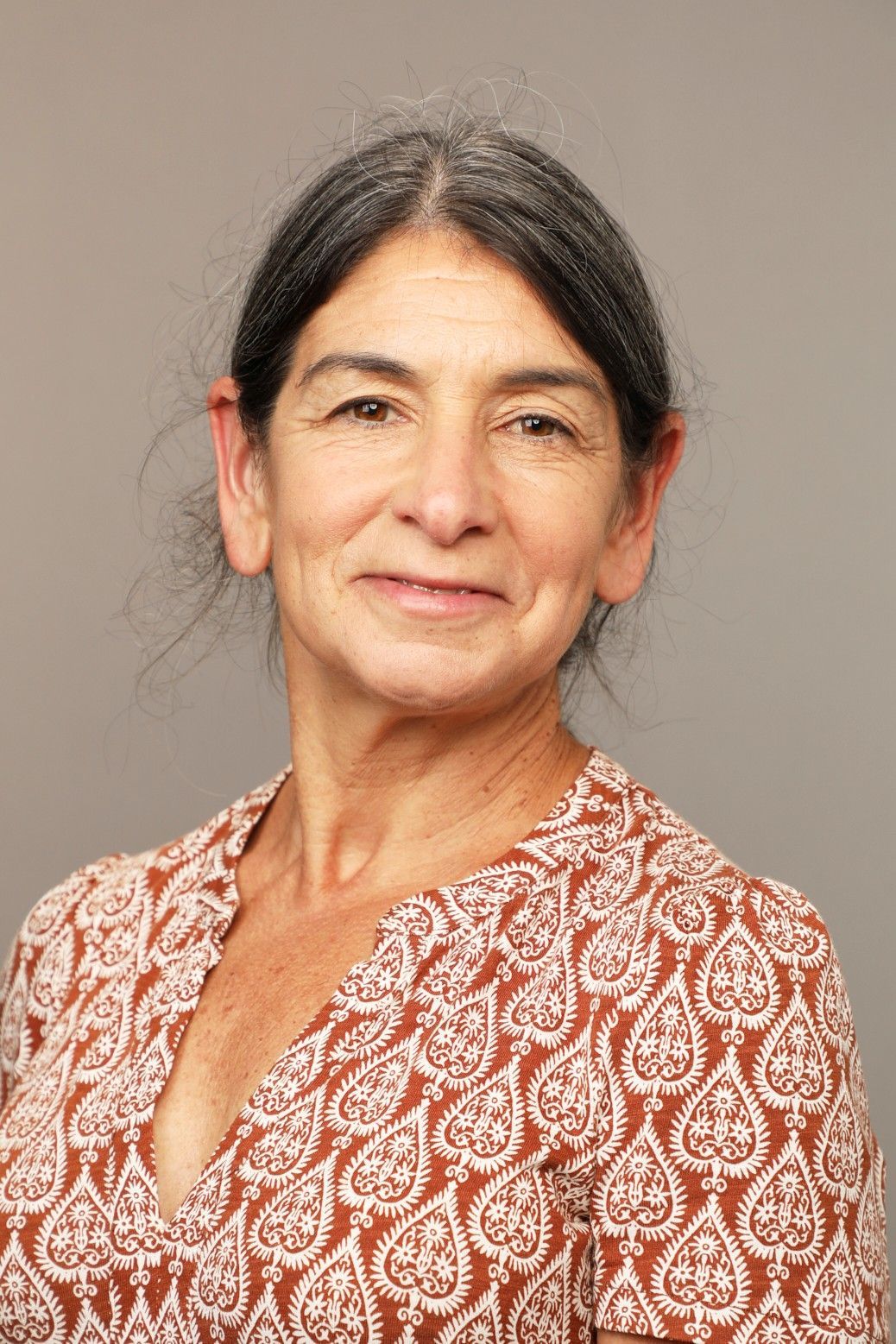
Nancy Zucker, Ph.D., is a Professor in the Departments of Psychiatry and Behavioral Sciences and Psychology and Neuroscience at Duke University and is the Founder and Director of the Duke Center for Eating Disorders, and a contributor to the American Psychiatric Association’s practice guidelines for eating disorders. Dr. Zucker is nationally recognized for her research on intervention development, interoception, eating disorders, and disorders of gut-brain interaction. In both her research and clinical work, Dr. Zucker uses our growing understanding of interoception to develop interventions that help young people trust their bodies. Her latest intervention, Feeling and Body Investigators for Functional Abdominal Pain, is published by Cambridge University Press.
Add-on Option: Participate in the FBI-ARFID Learning collaborative (Registration Limited)
Following the didactic course, our course presenters will host a 12-sesion Learning Collaborative (meeting every other week for 6 months). Learning Collaborative participants will have the opportunity to receive consultation on ongoing clinical cases and to ask questions of the presenters and other attendees. To deepen their learning, Learning Collaborative participants will submit brief consultation reports to the Learning Collaborative team, including an update on therapy adherence, patient progress, and future treatment plan. The Learning Collaborative is a special opportunity for licensed professionals from any country who have a clear plan for putting the FBI-ARFID model into immediate practice. Certificates of completion will be issued at the conclusion of the Learning Collaborative for those who attend >80% of the sessions and participate actively with case presentations.
Audience
Licensed professionals from any country who have a clear plan for putting the FBI-ARFID model into immediate practice.
Prerequisites
To ensure all learners start on the same page, attending the didactic workshop is a pre-requisite for participation. AED learning collaboratives are considered educational consultation and explicitly not supervision. Our consultants provide educational opinions on cases. Clinician’s institutions do the billing and use their own (or their institution’s) malpractice insurance. Thus, all participants in the learning collaborative must be licensed clinicians with active malpractice insurance. Unlicensed trainee therapists will be considered on a case-by-case basis if the trainee is working under the license and malpractice insurance of an outside supervisor who accepts liability for the trainee’s cases.
Date/Time
12 sessions meeting every other Friday from 11 AM-12 PM US Eastern (4-5 PM UK) for 6 months, beginning April 9, 2027. The full list of dates is below:
• April 9
• April 23
• May 7
• May 21
• June 4
• June 18
• July 2
• July 16
• July 30
• Aug 13
• Aug 27
• Sept 10
Application Process
Apply HereTo preserve the individual attention provided in the Learning Collaborative, attendance will be limited to 12 participants. Applications will be reviewed and those eligible to participate in the course will be sent information to register on a first-come, first-served basis. Depending on the number of applications received, AED may offer more than one FBI-ARFID Learning Collaborative to accommodate all interested candidates who meet the criteria of being licensed professionals with the intention to put the therapy into immediate practice.
Didactic-only Pricing
| Zone 1 | Zone 2 | Zone 3 | |
|---|---|---|---|
| Member | $399 | $219 | $75 |
| Non-Member | $499 | $279 | $90 |
| Student/Post-Bac Member | $199 | $99 | $40 |
| Student/Post-Bac Non-Member | $299 | $149 | $60 |
Full Course (including Learning Collaborative) Pricing
| Zone 1 | Zone 2 | Zone 3 | |
|---|---|---|---|
| Member | $399 | $219 | $75 |
| Non-Member | $499 | $279 | $90 |
| Student/Post-Bac Member | $199 | $99 | $40 |
| Student/Post-Bac Non-Member | $299 | $149 | $60 |