Speakers:
 |
 |
 |
 |
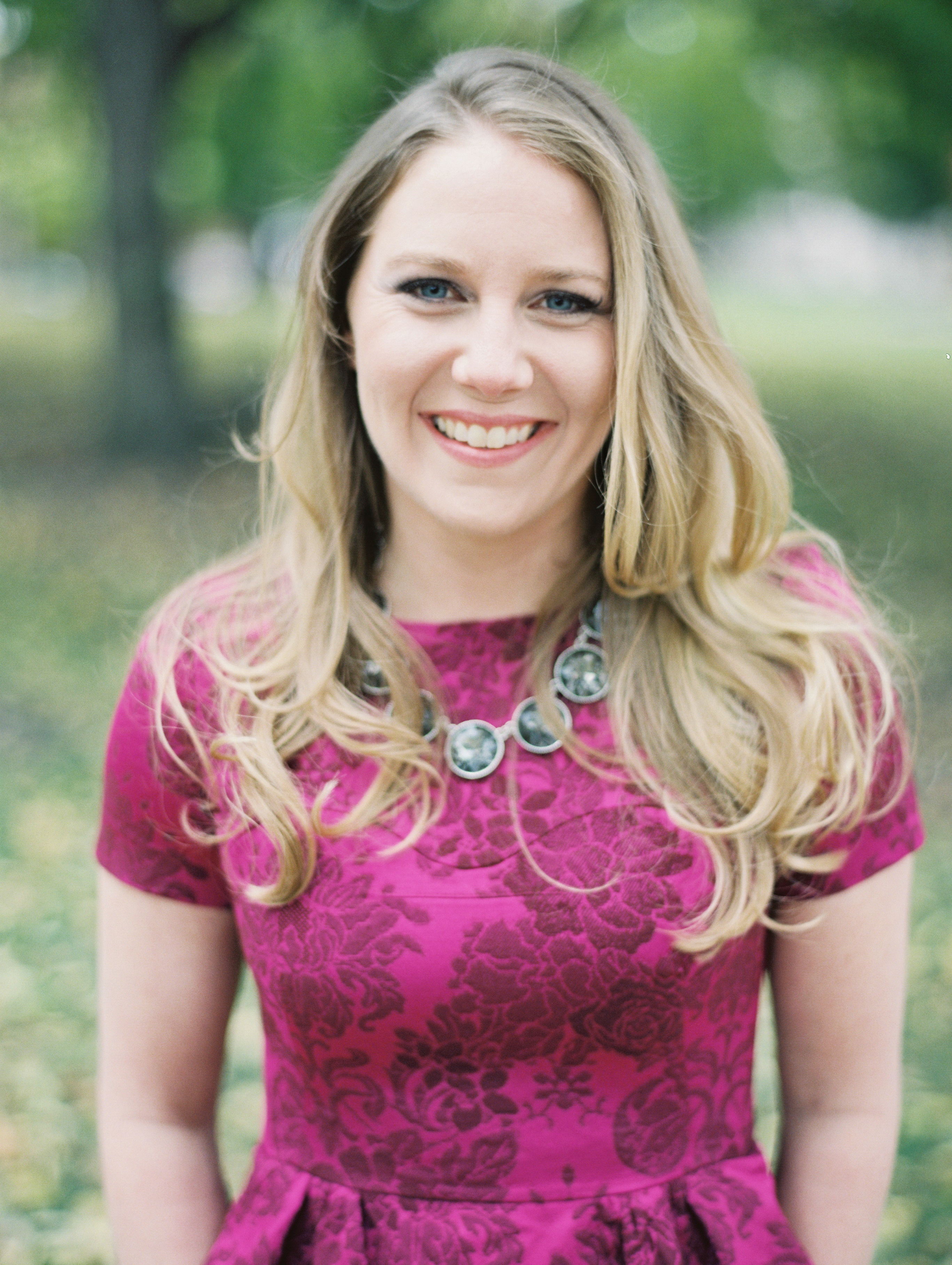
| Sarah Eckard, PhD |
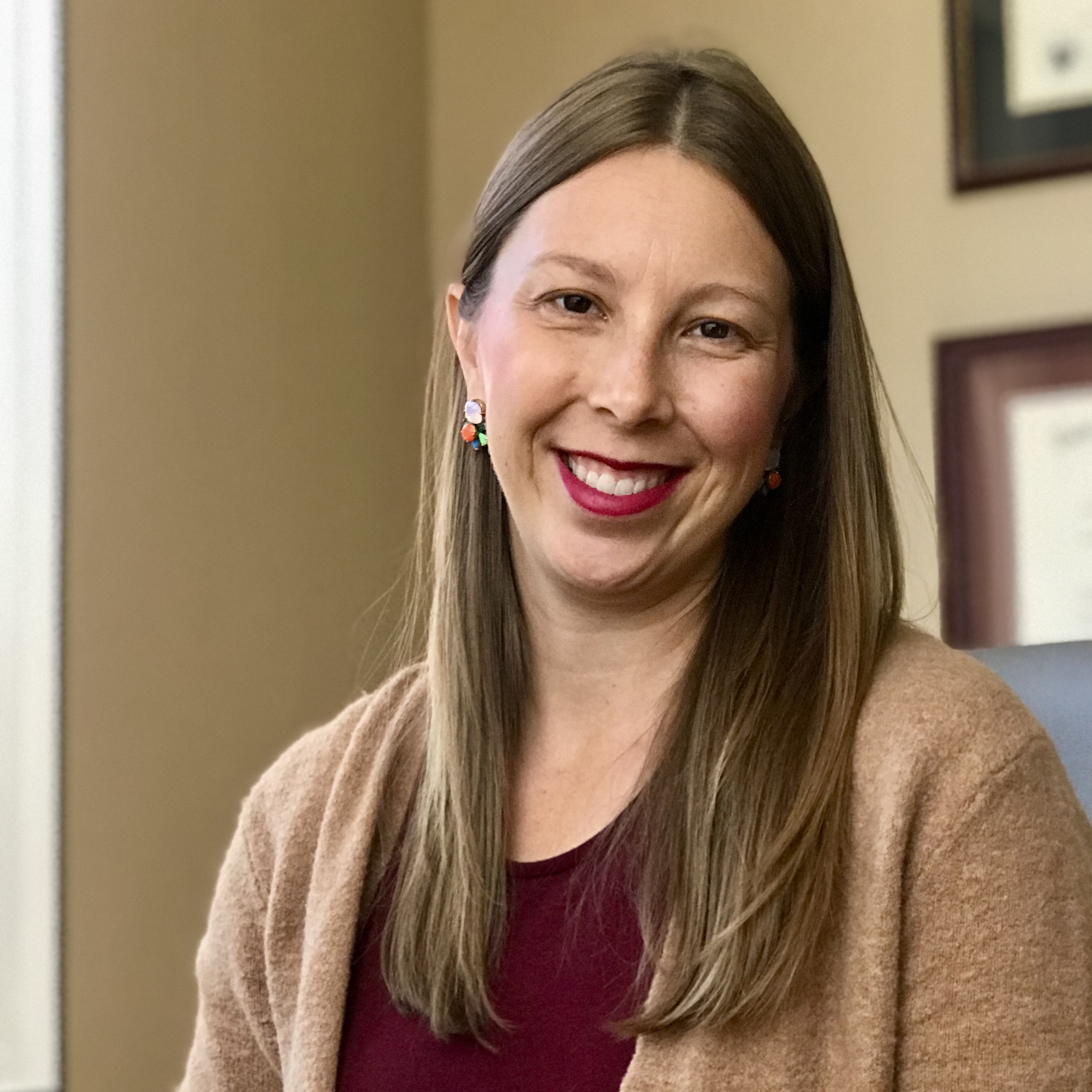
Jessie Menzel, PhD |
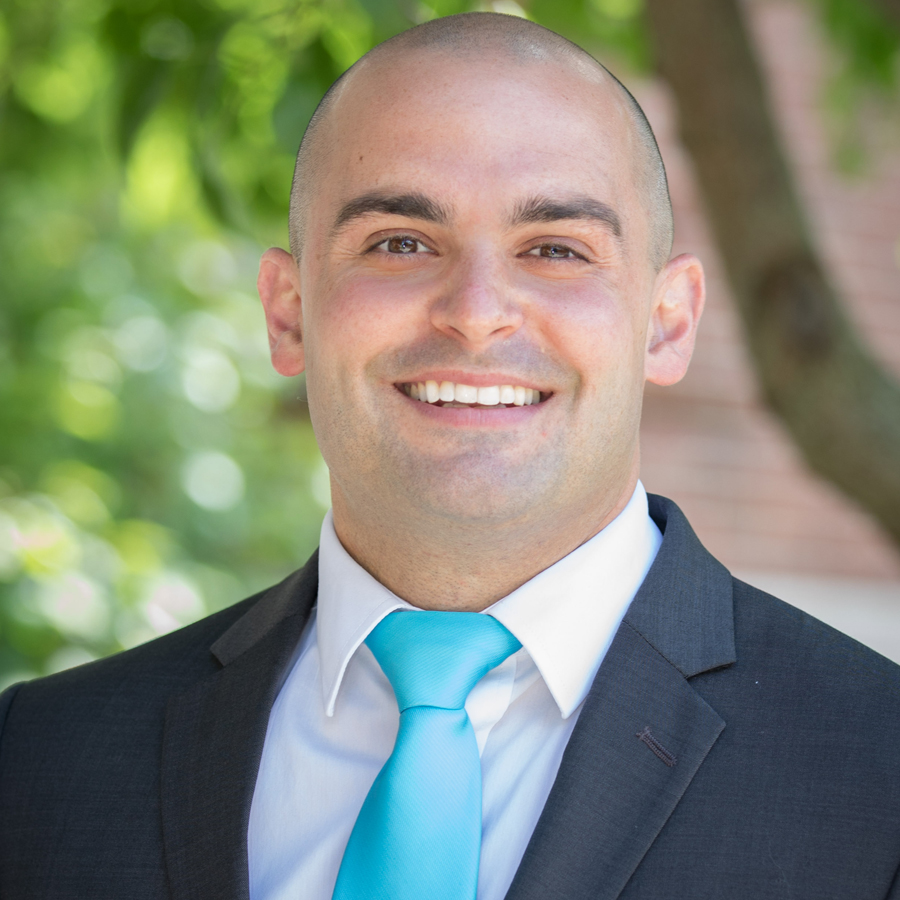
Nicholas R. Farrell, PhD |
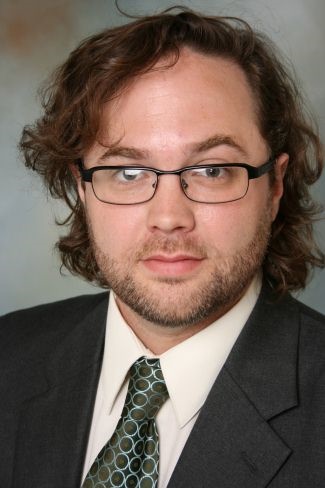
Marucs Westerman, MD, PhD |
Moderator:
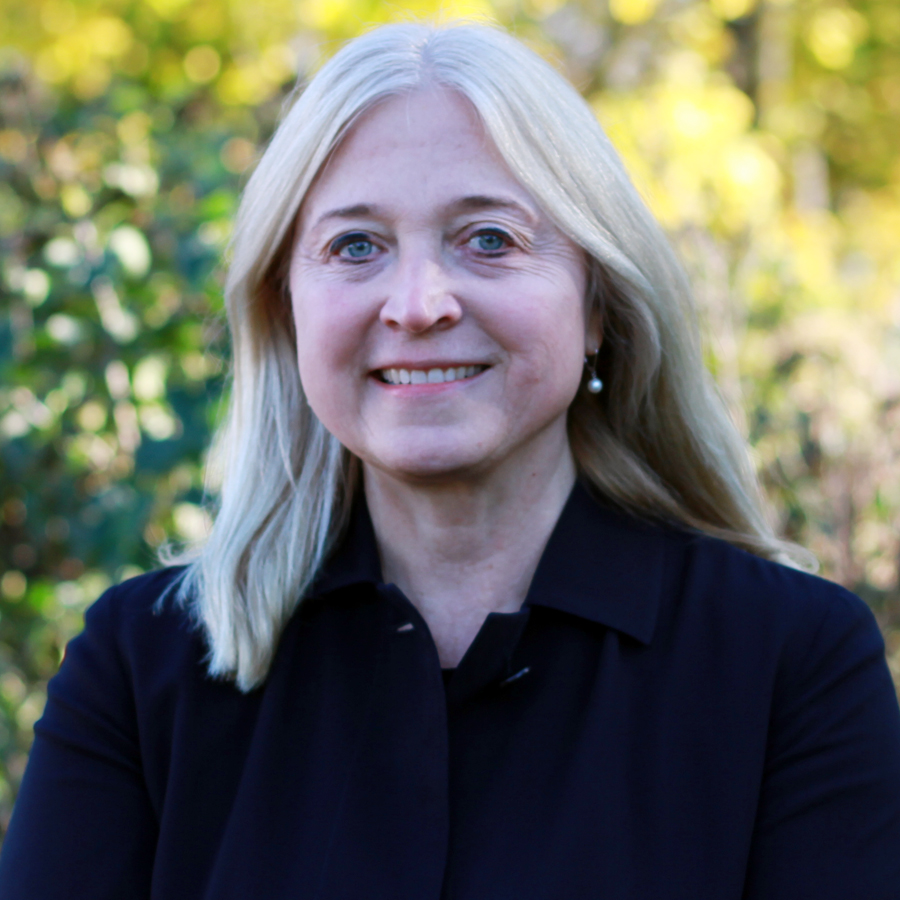 Sarah Eckard, PhD
Register Now
Webinar Abstract
Avoidant/restrictive Food Intake Disorder (ARFID) involves serious medical and/or social impairments, varying presentations, and high rates of co-morbid medical and psychiatric conditions. There is little information to guide families and clinicians about how to treat ARFID in higher levels of care. Emerging treatments include adaptations of family-based treatment and exposure-based cognitive behavioral therapy. In this Webinar, we present four topics for discussion by four clinicians with experience in developing and delivering treatments for ARFID in higher levels of care (including inpatient, residential, partial hospital, and intensive outpatient care) from four treatment centers.
Sarah Eckhardt, PhD, Children’s Hospitals and Clinics of MN and her team have adapted family-based treatment and combined it with the Unified Protocol for the Transdiagnostic treatment of Emotional disorders in children and adolescents. She will discuss medical and nutritional stabilization in a medical hospital setting including contingency management and working with hospitalists.
Nicholas Farrell, PhD, Rogers Behavioral Health, treats adults with ARFID in residential and PHP levels of care, and is developing treatment protocols to integrate exposure therapy with parent focused therapy for younger patients with co-morbid conditions including Obsessive Compulsive Disorder (OCD).
Jessie Menzel, PhD, UCSD and Rady Children’s Hospital, has experience with very young patients with AFRID and is developing approaches for families including multifamily therapy.
Marcus Westerman, MD, PhD, Melrose Center, is implementing cognitive behavioral therapy for ARFID with a multidisciplinary team across levels of care and will address family involvement, medical and nutritional interventions and the use of psychotropic medications.
The moderator is Julie Lesser, MD, Rogers Behavioral Health, who is certified to the level of a supervisor in family-based treatment and has experience in treatment development and adaptations of family-based and cognitive behavioral therapy in clinical settings such as Partial hospital and intensive outpatient care. Each speaker will give a 10-minute overview, then join together for a 20-minute panel discussion with questions for the speakers by the moderator and audience members.
The topics are:
- What diagnostic assessments, admission and discharge criteria are used for ARFID in higher levels of care?
- What is the treatment approach for ARFID, and how is it implemented with a multidisciplinary team?
- How are group meals, replacements and nutritional goals managed when patients have a variety of eating disorders?
- Please describe how treatment for ARFID varies across developmental stages and how families are involved in higher levels of care.
The learning objectives for this Webinar include:
- Discuss guidelines for admission and treatment goals in higher levels of care for patients with ARFID
- Describe the treatment approach for ARFID with a multidisciplinary team, family involvement, and adaptations for different ages.
- Review strategies for helping patients with ARFID to make changes in eating patterns in higher levels of care.
About the Speakers:
Sarah Eckhardt, PhD, is a licensed psychologist at Children's MN Center for the Treatment of Eating Disorders (CTED). Her interest in eating disorders first began as a pediatric psychology fellow at the Children's Hospital of Orange County, where she provided therapy and Consultation/Liaison services for children with a wide variety of chronic medical issues. She later went on to complete a specialized postdoctoral fellowship in eating disorders at the University of California San Diego's Eating Disorders Center for Treatment and Research/Rady Children's Hospital, where she trained in family-based treatment and inpatient medical stabilization for eating disorders. Dr. Eckhardt is a 2011 graduate of the University of Wisconsin-Milwaukee's Doctoral Program in Counseling Psychology and works in both research and clinical care at CTED. Her clinical interests include developing new and innovative treatments for Avoidant/Restrictive Food Intake Disorder (ARFID), and the treatment of eating disorders using family- based treatment and cognitive behavioral therapy-enhanced. She is also certified in both family-based treatment and the Unified Protocols for the Transdiagnostic Treatment of Emotional Disorders and Children and Adolescents.
Jessie Menzel, PhD, is an assistant clinical professor in the department of psychiatry at UCSD and the founder and director of the Pediatric Clinic at the UCSD Eating Disorder Center, a specialty partial hospital program for children ages 7-12. Dr. Menzel has extensive treatment experience working with children, adolescents, and adults with eating disorders at all levels of care. She provides training and supervision to postdoctoral fellows, psychiatry residents, psychiatry fellows, and therapy practicum students as part of the UCSD EDC training program. Dr. Menzel has published numerous research articles and book chapters in the fields of ARFID and related eating and anxiety disorders. Her current research interests include understanding the etiology of Avoidant-Restrictive Food Intake Disorder (ARFID), with particular interest in the role of disgust, visceral hypersensitivity, and neurobiological motivational systems that regulate food intake. She is currently serving as the co-chair of the Child and Adolescent Special Interest Group for the Academy of Eating Disorders.
Nicholas R. Farrell, PhD, is the campus clinical director at Rogers in Oconomowoc, where he provides clinical leadership and direction for psychotherapy services, including ongoing development, implementation, and refining of clinical protocols and pathways. In this role, he works closely with medical and clinical leaders across Rogers programs with the aim of maximizing treatment effectiveness and improving patient experience.
Dr. Farrell also supervises Eating Disorder Recovery care in Oconomowoc. In this role, he provides training and guidance to clinical team members in Rogers’ Eating Disorder Recovery Residential Care as well as in the inpatient, partial hospitalization and intensive outpatient levels of care. He received his master's and doctoral degrees in Clinical Psychology from the University of Wyoming (Laramie, WY). He served as a graduate research assistant in the Anxiety Disorders Research Laboratory at the University of Wyoming from 2010 to 2015, and completed his predoctoral internship training as a psychology resident at St. Joseph’s Healthcare Hamilton (Ontario, Canada).
Dr. Farrell specializes in the use of empirically supported treatments that have been developed based on psychological science. He has co-authored many peer-reviewed articles and has given presentations on topics related to the cognitive behavioral treatment of eating disorders and anxiety disorders. Dr. Farrell embraces an integrated care model that promotes collaboration between patients and the health professionals involved in their care. He is a member of the Association for Behavioral and Cognitive Therapies, the Society for a Science of Clinical Psychology and the Academy for Eating Disorders.
Marcus Westerman, MD, PhD, is an adult and child and adolescent Psychiatrist at Melrose Center specializing in the treatment of eating disorders with patients in outpatient, partial hospital, and residential levels of care. He received his Doctor of Medicine in 2005 from the University of Minnesota and completed his Psychiatry Residency Program and Fellowship in Child and Adolescent Psychiatry at the University of Minnesota Medical School in 2010. Dr. Westerman received his PhD in Neuroscience from the University of Minnesota in 2001. He has published in the Journal of Neuroscience, and Psychiatric Times.
About the Moderator:
Julie K. Lesser, MD, is a board-certified child, adolescent and adult psychiatrist at Rogers Behavioral Health in Minneapolis. A graduate of Stanford University, Dr. Lesser earned her medical degree and completed postgraduate training at the University of Minnesota, which included an internship in pediatrics; a transitional residency in neurology and psychiatry; a residency in psychiatry; and a fellowship in child and adolescent psychiatry. Dr. Lesser is certified in family-based treatment for eating disorders and in the child and adolescent unified protocol for emotional disorders. In addition, she completed intensive training in interpersonal therapy, dialectical behavior therapy and cognitive behavioral therapy-enhanced for eating disorders. She has a special interest in treatment development for Avoidant/restrictive food intake disorder (ARFID).