 Argentina has been an active participant in the Partners, Chapters and Affiliates Committee (PCAC) of the AED since 2008. This longstanding involvement reflects a continuous commitment to international collaboration, academic exchange, and the advancement of knowledge in the field of eating disorders. The Asociación Argentina de Psiquiatras (AAP) is honored to be recognized as a sister society of the Academy, strengthening professional and scientific ties between Argentina and the global AED community.
The Asociación Argentina de Psiquiatras is the leading academic psychiatric organization in Argentina, bringing together approximately 2,400 affiliated professionals. It develops extensive academic, teaching, and research activities at both national and international levels, serving as a central reference for psychiatric training and scientific development in the country.
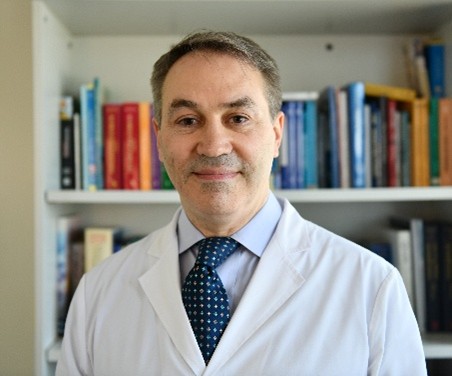 Sebastián Soneira (shown left), a psychiatrist specializing in eating disorders and obesity and an AED member since 2008, currently serves as the representative of the AAP to the PCAC. Since joining the Academy, he has maintained sustained involvement within this committee, serving in different roles over the years, from member to president of the PCAC. This trajectory reflects Argentina’s consistent and active engagement within the collaborative structure of the AED.
Within the AAP, Soneira presides over the Chapter on Eating Disorders and Obesity. This chapter brings together approximately 250 members and is composed primarily of psychiatrists, psychologists, and nutritionists. It serves as a dynamic academic and professional forum dedicated to the study of eating behavior, psychopathology, obesity, and nutritional health. Several times each year, the chapter organizes academic activities—both in-person and virtual—focused on specific themes related to eating disorders and associated psychiatric conditions. These initiatives promote interdisciplinary dialogue, continuing professional development, and the integration of updated scientific knowledge into clinical practice.
The AAP holds an annual international congress, one of the most significant psychiatric meetings in the region. This year’s congress will take place in November in the city of Mar del Plata, Buenos Aires, Argentina. Within this event, the Chapter on Eating Disorders and Obesity is responsible for organizing multiple panels and courses addressing eating disorders and related topics. These activities include training opportunities for psychiatrists and psychologists, as well as educational sessions designed for students and early-career professionals. Through lectures, round tables, and case-based discussions, the chapter aims to strengthen both theoretical understanding and practical clinical skills.
Argentina’s engagement with the AED extends beyond formal representation. Many Argentine professionals are current AED members and have maintained a steady presence at the Academy’s international congresses over the years. Their participation has included roles as attendees, coordinators of scientific activities, chapter leaders, and invited speakers. This sustained involvement underscores the strong connection between the Argentine professional community and the broader international field of eating disorders.
Furthermore, Argentina and the Chapter on Eating Disorders and Obesity of the Asociación Argentina de Psiquiatras actively participate in the Hispanic-Latin American Chapter within the Academy for Eating Disorders. Through this regional platform, Argentine colleagues collaborate with professionals across Latin America and other Spanish-speaking communities, contributing to academic initiatives, educational programs, and scientific exchange. This engagement supports a culturally informed and regionally sensitive approach to eating disorders while remaining aligned with AED’s global standards of excellence.
In summary, Argentina’s longstanding collaboration with the Academy represents a stable and productive partnership. Through institutional cooperation, regional engagement, and sustained international participation, Argentine professionals continue to contribute meaningfully to the global dialogue on eating disorders.